Family Health and Fitness: Building Strong Foundations Through Early Childhood Education
June 1, 2026
Home > Blog > Family Health and Fitness: Building Strong Foundations Through Early Childhood Education
Promoting family health and fitness goes far beyond encouraging children to run, play, and eat their vegetables. It is about creating lifelong habits that support physical, emotional, and social well-being, while honoring the diverse cultural values, traditions, and languages that shape each family’s approach to health.
For early childhood educators, this responsibility is deeply connected to the CDA® Competency Standards, which guide how we nurture young children and engage families in meaningful, culturally responsive ways.
Why Family Health and Fitness Matters
Healthy habits begin early, and young children rely heavily on adults to model positive behaviors. However, what “healthy” looks like can vary across cultures. From the foods families eat to the ways they stay active together; cultural traditions play a powerful role in shaping habits.
When families and educators collaborate with cultural awareness and respect, children benefit from consistent routines around nutrition, physical activity, and self-care. These early experiences help prevent health issues, build motor skills, strengthen identity, and support emotional resilience.
For educators, integrating health and fitness into daily routines is not an “extra,” it is a core part of quality care and education that should reflect the children and families they serve.
Connecting to CDA® Competency Goals
Competency Goal I: To Establish and Maintain a Safe, Healthy Learning Environment
This goal is directly tied to promoting family health and fitness in culturally inclusive ways.
Educators are responsible for:
Providing nutritious meals and snacks that reflect diverse cultural foods
Ensuring safe indoor and outdoor physical activities
Teaching proper hygiene practices like handwashing, while acknowledging different family routines
By sharing these practices with families in their home languages whenever possible, educators extend healthy habits beyond the classroom.
For example, sending home multilingual activity ideas or culturally familiar recipes can help families feel seen, respected, and more likely to engage.
Competency Goal II: To Advance Physical and Intellectual Competence
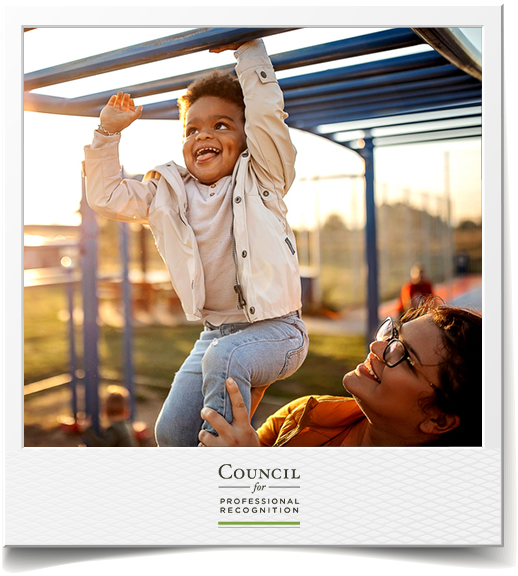
Physical activity supports more than just the body; it fuels brain development. Through movement, children develop coordination, balance, and problem-solving skills.
Educators can:
Incorporate active play inspired by diverse cultures (e.g., traditional dances or games)
Encourage outdoor exploration that connects to children’s lived experiences
Provide opportunities for both structured and unstructured movement
When educators invite families to share cultural games or activities, children experience a deeper sense of belonging while strengthening developmental skills.
Competency Goal IV: To Establish Positive and Productive Relationships with Families
Family engagement is essential when promoting health and fitness. Each family brings unique routines, languages, traditions, and challenges. Educators must approach these differences with curiosity, respect, and openness.
Strategies include:
Communicating regularly about children’s physical activity and nutrition in families’ preferred languages
Hosting family fitness events or wellness workshops that celebrate cultural diversity
Sharing community resources such as parks, clinics, or recreation programs that are accessible and inclusive
When families feel supported rather than judged, they are more likely to participate and adopt healthy practices that align with their values.
Supporting CDA Functional Areas within Competency Goals
Family health and fitness align closely with several CDA Functional Areas, especially when culture and language are intentionally included:
Safe: Ensuring environments are free from hazards during physical activity
Healthy: Promoting nutrition, hygiene, and active lifestyles that respect cultural practices
Learning Environment: Creating spaces that encourage movement, exploration, and cultural expression
Physical: Supporting gross and fine motor development through diverse, inclusive activities
Families: Building partnerships that honor each family’s language, culture, and health beliefs
By intentionally planning activities and communication around these areas, educators create a holistic and culturally responsive approach to wellness.
Practical Tips for Educators
Start small: Introduce short movement breaks throughout the day using music or games from diverse cultures
Be inclusive: Offer activities that all children and families can participate in, regardless of ability, language, or resources
Communicate clearly: Share simple, actionable ideas with families in multiple languages when possible
Honor culture: Invite families to share traditions related to food, movement, and wellness
Lead by example: Children and families notice when educators model healthy and respectful behaviors
Final Thoughts
Family health and fitness is a shared journey between early childhood educators and families, one that is enriched by cultural diversity and strengthened through inclusive communication.
By aligning daily practices with CDA® Competency Standards, Functional Areas, and by embracing the languages and traditions of the families they serve, early childhood educators can create environments that nurture healthy bodies, active minds, strong identities, and meaningful family connections.
These early efforts do not just impact childhood; they lay the groundwork for a lifetime of well-being rooted in both health and cultural pride.
The earliest years of a child’s life establish the foundation for lifelong health, learning, and well-being. From pregnancy through age five, rapid brain development makes this a critical period for nurturing relationships, responsive caregiving, and...
The Council for Professional Recognition is proud to partner with the Council for Adult and Experiential Learning (CAEL) on the inaugural Credit for Prior Learning–Early Childhood Education (CPL-ECE) Cohort, an initiative designed to strengthen pathways...
Did you know the Council for Professional Recognition is a great source for exploring early childhood education trends and finding critical information to support your work? During times of challenge, a key strategy for increasing...
“We can’t just wait for the future we want. We must seize the opportunity to build it,” Susan Gale Perry, Child Care Aware of America CEO said last month on the opening day of “Igniting...
Why should you renew your CDA? Learn what some of our early childhood professionals had to say. For example, Isabel Blair, a family child care provider in New Mexico, has renewed her CDA for 20...
For years, the search for solutions to early childhood education’s workforce challenges has felt like a treasure hunt. Policymakers follow new clues. Advocates debate new frameworks. System leaders chart new routes forward. Each effort is...
Promoting family health and fitness goes far beyond encouraging children to run, play, and eat their vegetables. It is about creating lifelong habits that support physical, emotional, and social well-being, while honoring the diverse cultural...
Download Your New CDA® Sample Exam Questions Now! The Council for Professional Recognition, the organization that administers the CDA® credential, is excited to share the new CDA® sample exam questions. This free resource uses research,...
Ariana’s mother is the last to pick up two-year-old Ariana from the early care and education program late on Friday afternoon. She hugs Ariana and sighs, “I have reached my limits today with Henry still...
Mackenzie Pelland
Vice President of Product
Mackenzie Pelland serves as Vice President of Product at the Council. In this role, she oversees the Council’s product strategy and portfolio, including credentialing programs, educational publications, professional development resources, and branded merchandise, ensuring offerings are sustainable and responsive to the evolving needs of early childhood educators and the broader early care and education field. Her work focuses on building scalable, user-centered products that strengthen quality and integrity across the Council’s credentialing, educational, and professional learning offerings.
Prior to this role, Mackenzie served as Director of ECE Observation Systems at the Council, where she oversaw the observation portion of the CDA® credentialing assessment process and led the ECE Observation Team. She also worked to support, refine, and strengthen the Professional Development Specialist community to better meet the needs of a diverse CDA® candidate population.
Before joining the Council, Mackenzie was Senior Director of Monitoring and Compliance Systems at Acelero Learning, where she led the development and execution of monitoring systems related to federal grant compliance, child care licensing, health and safety, incident management, and facilities compliance across Head Start programs nationwide. She also previously served as Program Accountability and Policy Implementation Manager at New York City’s Department of Education within the Division of Early Childhood Education.
Mackenzie is recognized as a credentialing specialist by the Institute for Credentialing Excellence. She holds a master’s degree in education policy from Teachers College, Columbia University, a Certificate in Education and Program Evaluation from Georgetown University, and a bachelor’s degree in politics and education from Occidental College.
Elisa Shepherd
Vice President of Strategic Alliances
Elisa Shepherd is the Vice President of Strategic Alliances at the Council, where she leads initiatives to advance the Council’s mission and strategic plan through designing, managing, and executing a comprehensive stakeholder relationship strategy.
With over 25 years of experience in early childhood education (ECE), Elisa has dedicated her career to developing impactful programs, professional development opportunities, and public policies that support working families, young children, and ECE staff. Before joining the Council, Elisa held numerous roles within the childcare industry. Most recently, she served as Associate Vice President at The Learning Experience and as Senior Manager at KinderCare Education, where she influenced government affairs and public policies across 40 states.
Elisa’s commitment to leadership is reflected in her external roles on the Early Care and Education Consortium Board of Directors, the Florida Chamber Foundation Board of Trustees, and as the DEI Caucus Leader for KinderCare Education. She has been recognized as an Emerging Leader in Early Childhood by Childcare Exchange’s Leadership Initiative.
Elisa earned a Bachelor of Science in Psychology with a focus on child development from Pennsylvania State University in State College, PA.
Janie Payne
Chief Administrative Officer (CAO)
Janie Payne is the Chief Administrative Officer (CAO) for the Council for Professional Recognition. Janie is responsible for envisioning, developing, and executing initiatives that strategically manage talent and culture to align people strategies with the overarching business vision of the Council. Janie is responsible for driving organizational excellence through strategic talent practices, orchestrating workforce planning, talent acquisition, performance management as well as a myriad of other Human Resources Programs. She is accountable for driving effectiveness by shaping organizational structure for optimal efficiency. Janie oversees strategies that foster a healthy culture to include embedding diversity, equity, and inclusion into all aspects of the organization.
In Janie’s prior role, she was the Vice President of Administration at Equal Justice Works, where she was responsible for leading human resources, financial operations, facilities management, and information technology. She was also accountable for developing and implementing Equal Justice Works Diversity, Equity, and Inclusion strategy focused on attracting diverse, mission-oriented talent and creating an inclusive and equitable workplace environment. With more than fifteen years of private, federal, and not-for-profit experience, Janie is known for her intuitive skill in administration management, human resources management, designing and leading complex system change, diversity and inclusion, and social justice reform efforts.
Before joining Equal Justice Works, Janie was the Vice President of Human Resources and Chief Diversity Officer for Global Communities, where she was responsible for the design, implementation, and management of integrated HR and diversity strategies. Her work impacted employees in over twenty-two countries. She was responsible for the effective management of different cultural, legal, regulatory, and economic systems for both domestic and international employees. Prior to Global Communities, Janie enjoyed a ten-year career with the federal government. As a member of the Senior Executive Service, she held key strategic human resources positions with multiple cabinet-level agencies and served as an advisor and senior coach to leaders across the federal sector. In these roles, she received recognition from management, industry publications, peers, and staff for driving the creation and execution of programs that created an engaged and productive workforce.
Janie began her career with Verizon Communications (formerly Bell Atlantic), where she held numerous roles of increasing responsibility, where she directed a diversity program that resulted in significant improvement in diversity profile measures. Janie was also a faculty member for the company’s Black Managers Workshop, a training program designed to provide managers of color with the skills needed to overcome barriers to their success that were encountered because of race. She initiated a company-wide effort to establish team-based systems and structures to impact corporate bottom line results which was recognized by the Department of Labor. Janie was one of the first African American women to be featured on the cover of Human Resources Executive magazine.
Janie received her M.A. in Organization Development from American University. She holds numerous professional development certificates in Human Capital Management and Change Management, including a Diversity and Inclusion in Human Resources certificate from Cornell University. She completed the year-long Maryland Equity and Inclusion Leadership Program sponsored by The Schaefer Center for Public Policy and The Maryland Commission on Civil Rights. She is a trained mediator and Certified Professional Coach. She is a graduate of Leadership America, former board chair of the NTL Institute and currently co-steward of the organization’s social justice community of practice, and a member of The Society for Human Resource Management. Additionally, Janie is the Board Chairperson for the Special Education Citizens Advisory Council for Prince Georges County where she is active in developing partnerships that facilitate discussion between parents, families, educators, community leaders, and the PG County school administration to enhance services for students with disabilities which is her passion. She and her husband Randolph reside in Fort Washington Maryland.
Andrew Davis
Chief Operations Officer (COO)
Andrew Davis serves as Chief Operating Officer at the Council. In this role, Andrew oversees the Programs Division, which includes the following operational functions: credentialing, growth and business development, marketing and communications, public policy and advocacy, research, innovation, and customer relations.
Andrew has over 20 years of experience in the early care and education field. Most recently, Andrew served as Senior Vice President of Partnership and Engagement with Acelero Learning and Shine Early Learning, where he led the expansion of state and community-based partnerships to produce more equitable systems of service delivery, improved programmatic quality, and greater outcomes for communities, children and families. Prior to that, he served as Director of Early Learning at Follett School Solutions.
Andrew earned his MBA from the University of Baltimore and Towson University and his bachelor’s degree from the University of Maryland – University College.
Janice Stucke
Chief Financial Officer (CFO)
Janice brings more than 20 years of experience in accounting and strategic financial management, with an extensive background spanning global associations, nonprofits, and technology organizations. She most recently served as CFO/COO for a global association advancing women in commercial real estate. Prior to that, she was the CFO at Achieving the Dream, a national nonprofit dedicated to supporting community college success, and Director of Finance at the Society for Human Resource Management (SHRM) and Controller for two technology companies.
A Maryland-licensed CPA, Janice is deeply engaged in the profession through her service on the AICPA Governing Council and leadership roles with the CFO Leadership Council. In 2025, she was recognized as an AICPA Global Woman to Watch. She holds a Master’s degree in International Affairs & Public Policy from UC San Diego and a B.A. in International Affairs & Economics from The George Washington University, bringing both financial expertise and a global policy perspective to her work.
Janice’s journey is uniquely shaped by global and mission-driven experiences. Before transitioning into accounting, she spent a decade managing refugee programs in the United States and abroad, including roles with the International Rescue Committee and the Maryland Office for Refugees & Asylees. She has also lived and worked internationally in both Japan and Uganda.
Outside of work, Janice is a dedicated endurance athlete who completed a full Ironman triathlon in 2024, bringing the same discipline and determination to her personal pursuits as she does to her professional impact.
CounciLINK is Your Connection
Read our monthly e-newsletter and keep up to date on all Council programs and services, as well as the latest news in the world of early care and education. Subscribe today to stay connected with us. You’ll receive timely information on events, webinars, special promotions, and more.

 Promoting family health and fitness goes far beyond encouraging children to run, play, and eat their vegetables. It is about creating lifelong habits that support physical, emotional, and social well-being, while honoring the diverse cultural values, traditions, and languages that shape each family’s approach to health.